


CN
400-915-1979
400-915-1979

since
2002

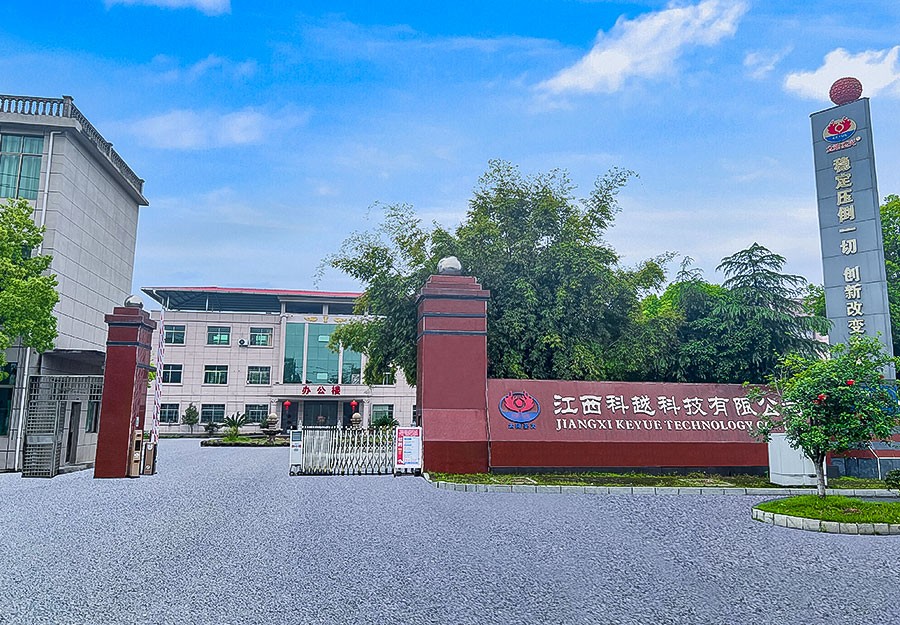




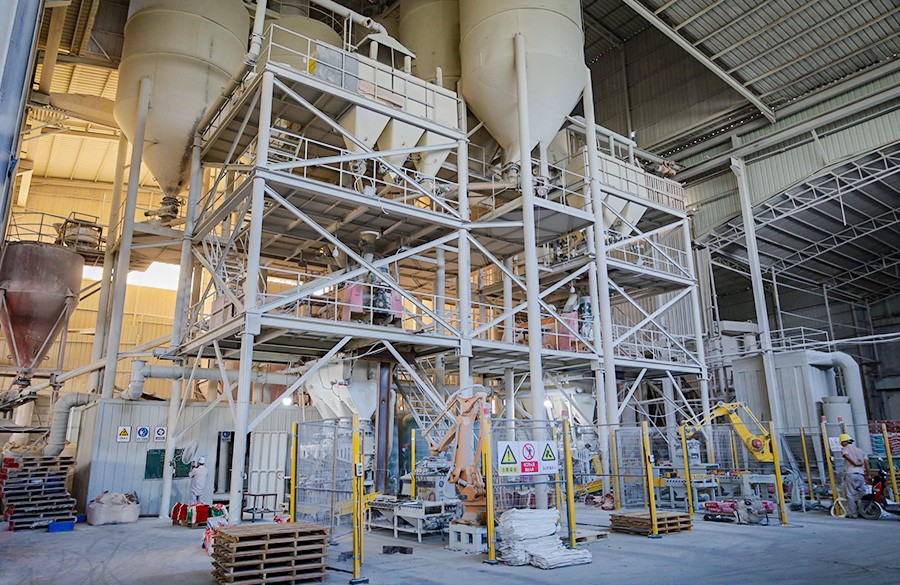
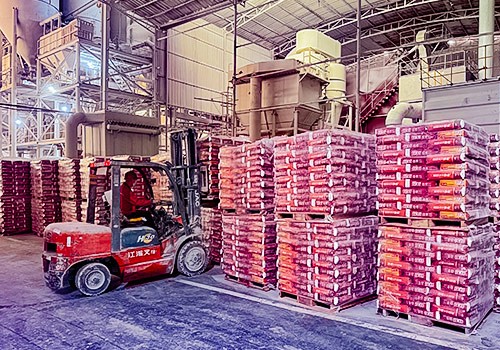
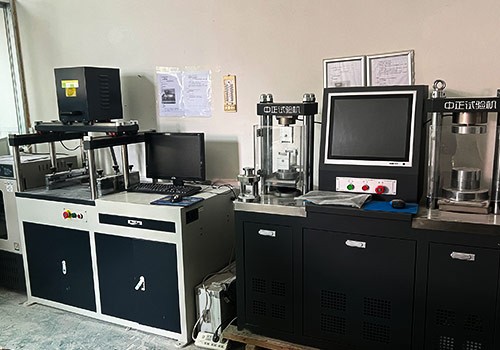
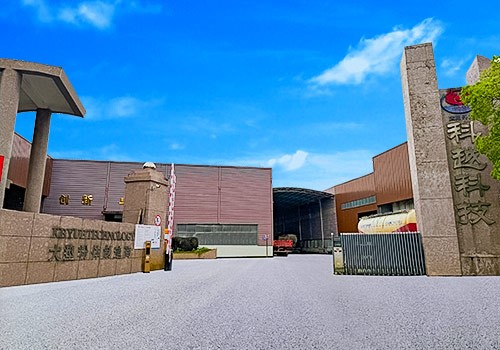
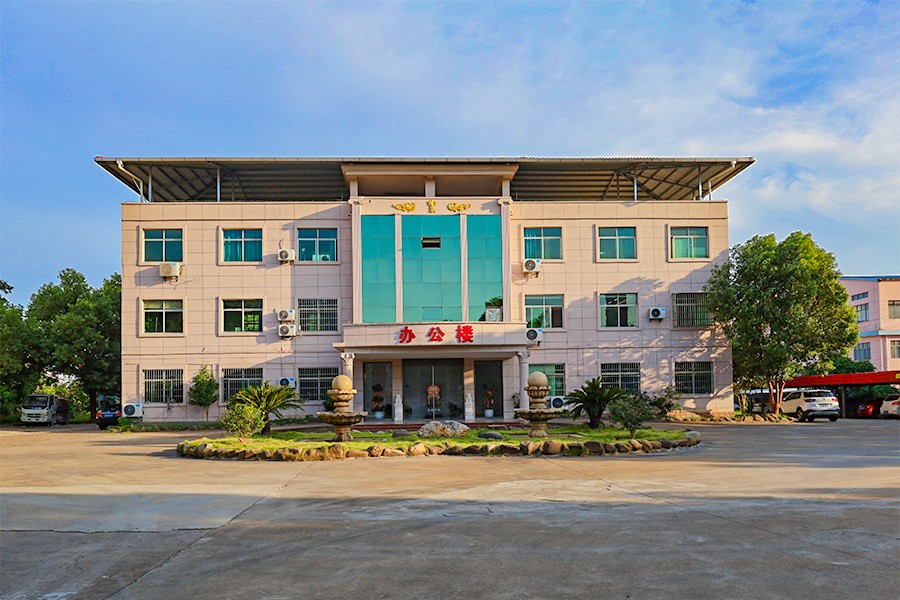
Manufacturing Shop
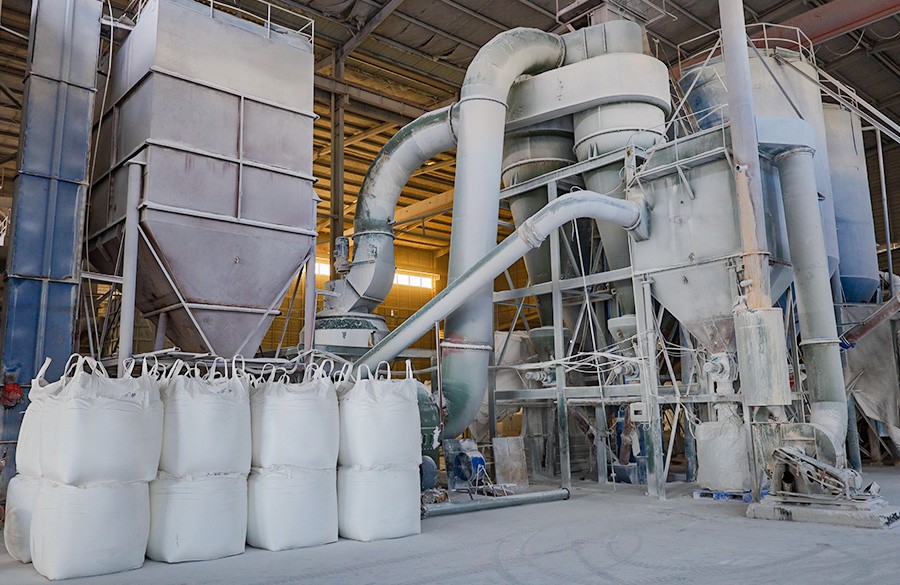
Manufacturing Shop
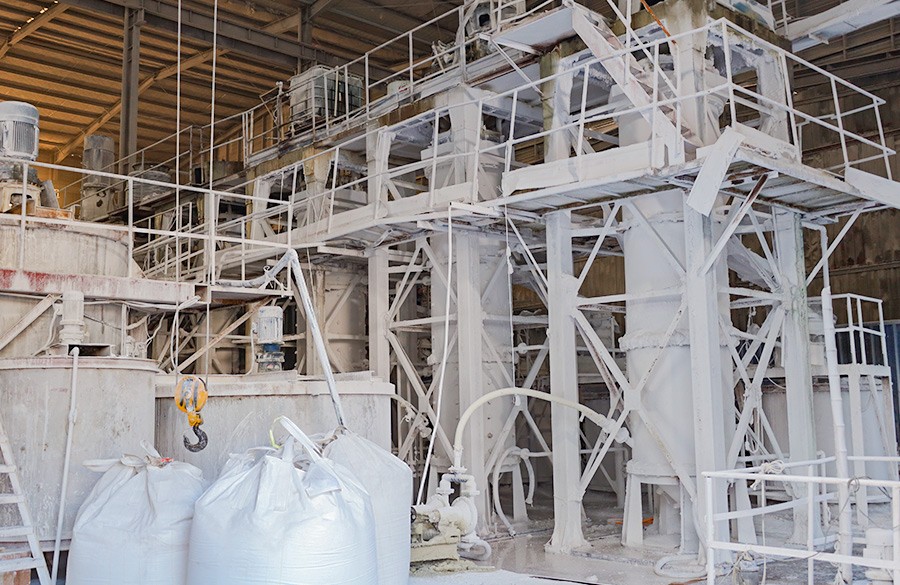
Manufacturing Shop
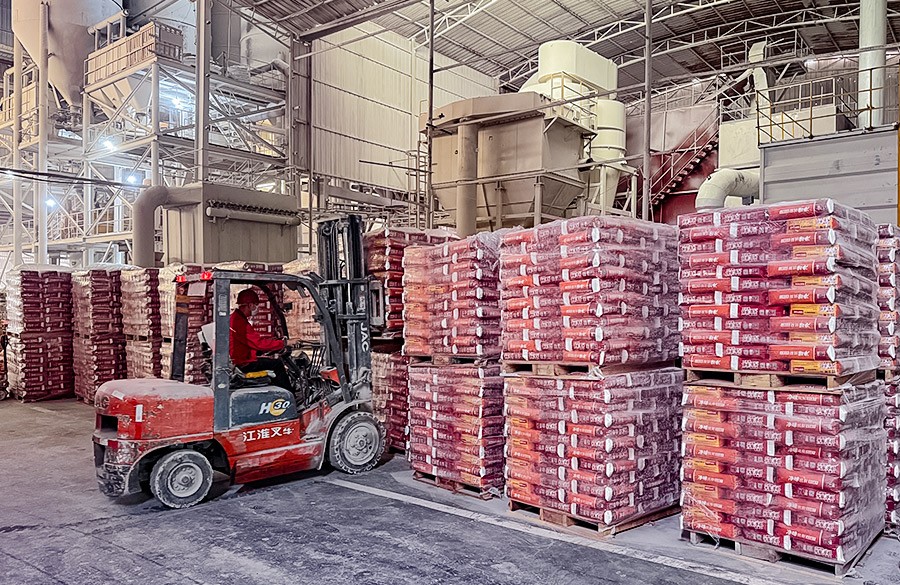
Manufacturing Shop
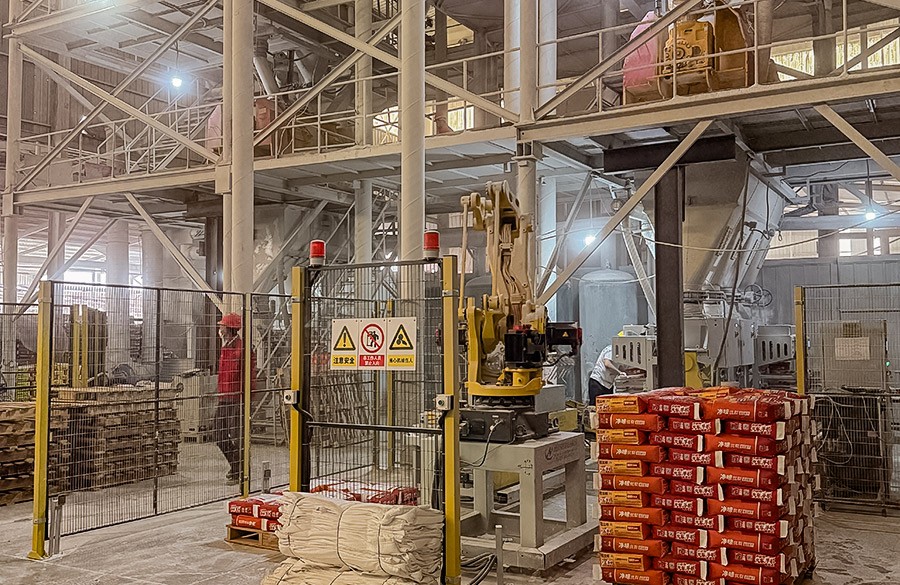
Manufacturing Shop
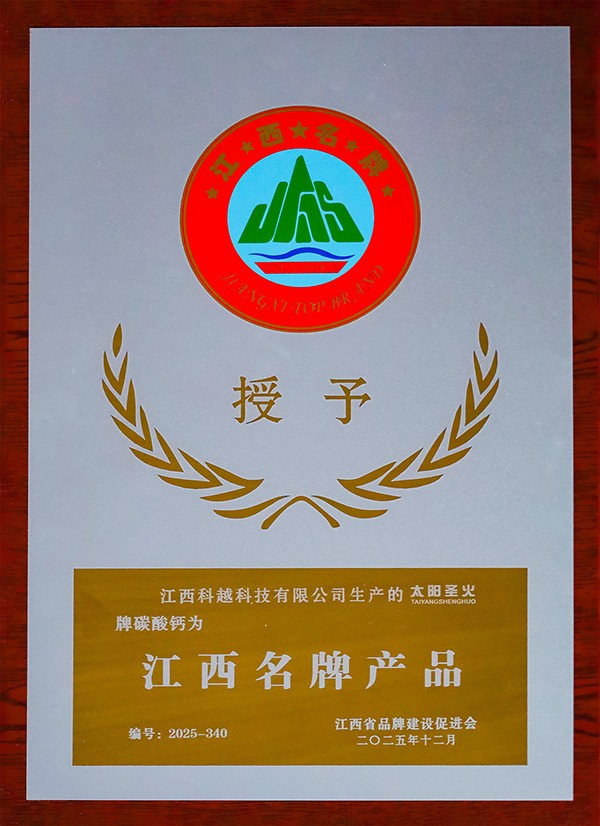
Jiangxi Famous Brand Product
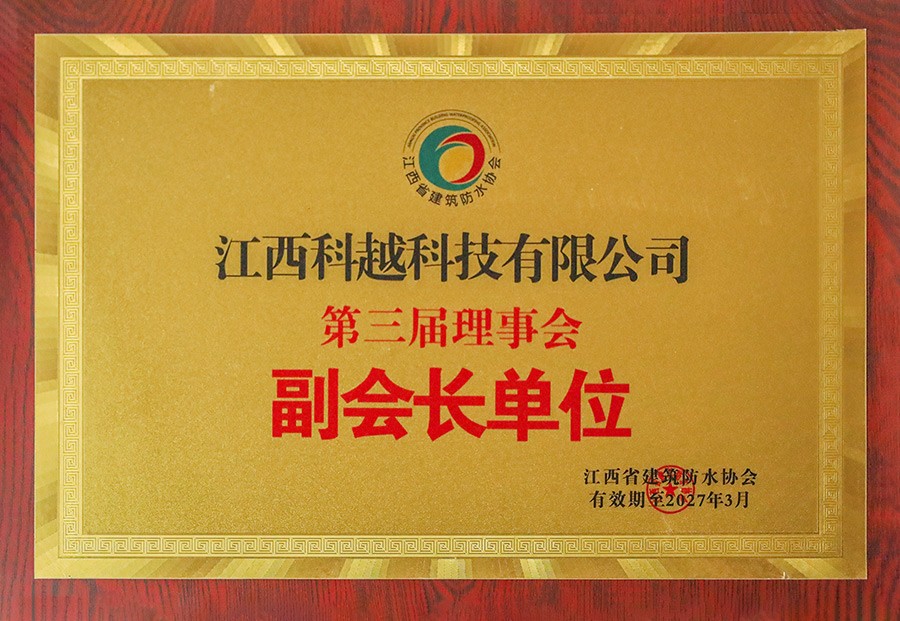
Vice President Unit of the Third Council of Jiangxi Building Waterproofing Association
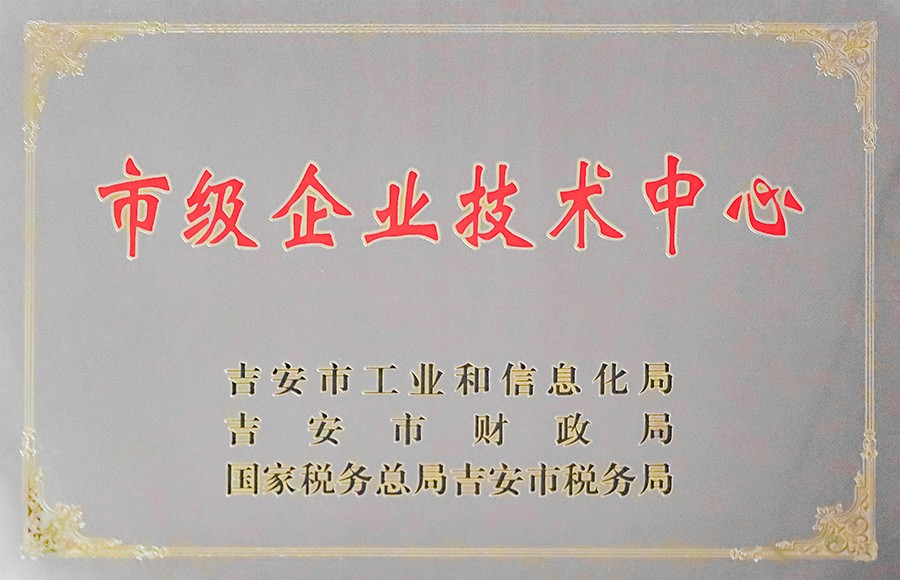
Municipal enterprise technology center
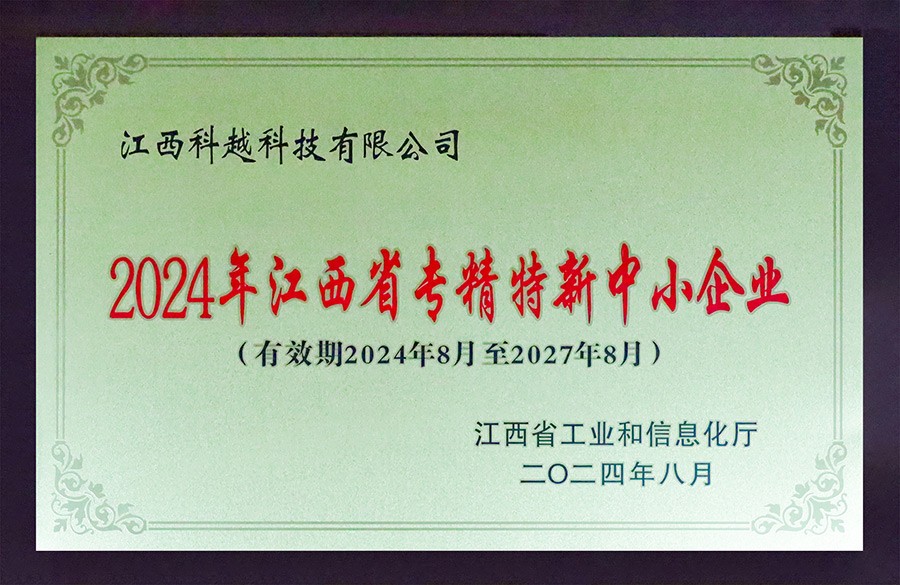
Specialized, Refined, Unique and Innovative Small and Medium-sized Enterprises in Jiangxi Province in 2024
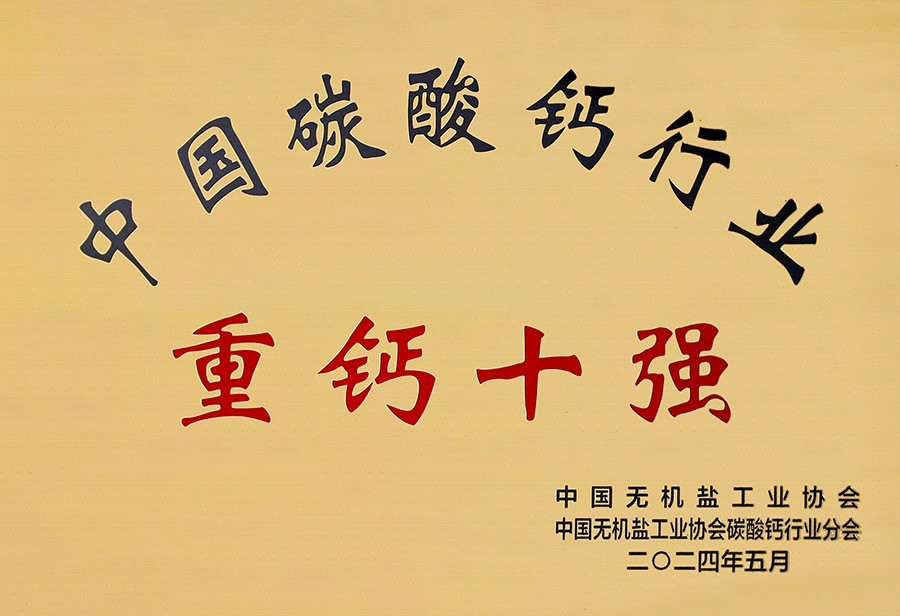
Top ten heavy calcium carbonate producers in China's calcium carbonate industry
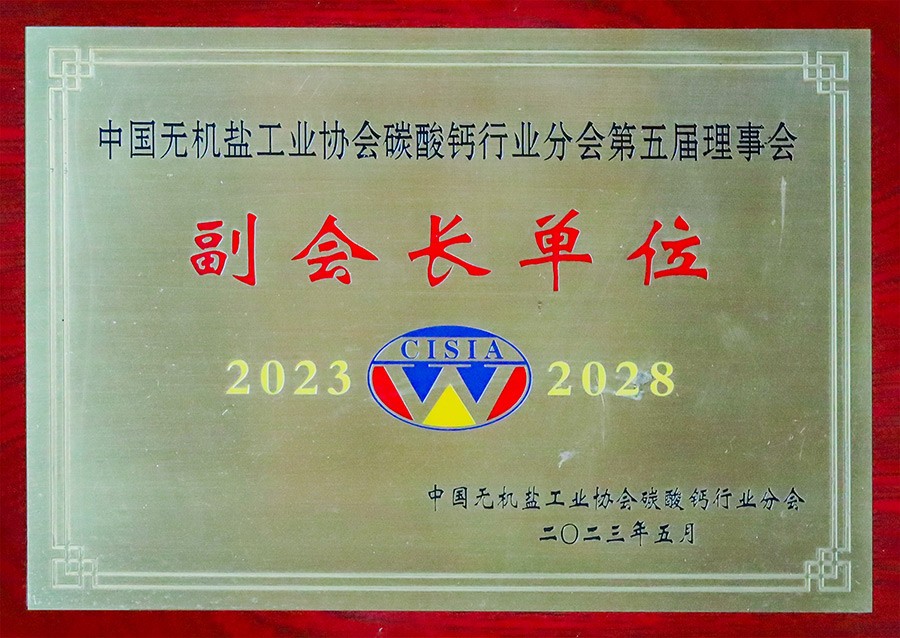
Vice President Unit of the Fifth Council of the Calcium Carbonate Industry Branch of the China Inorganic Salt Industry Association
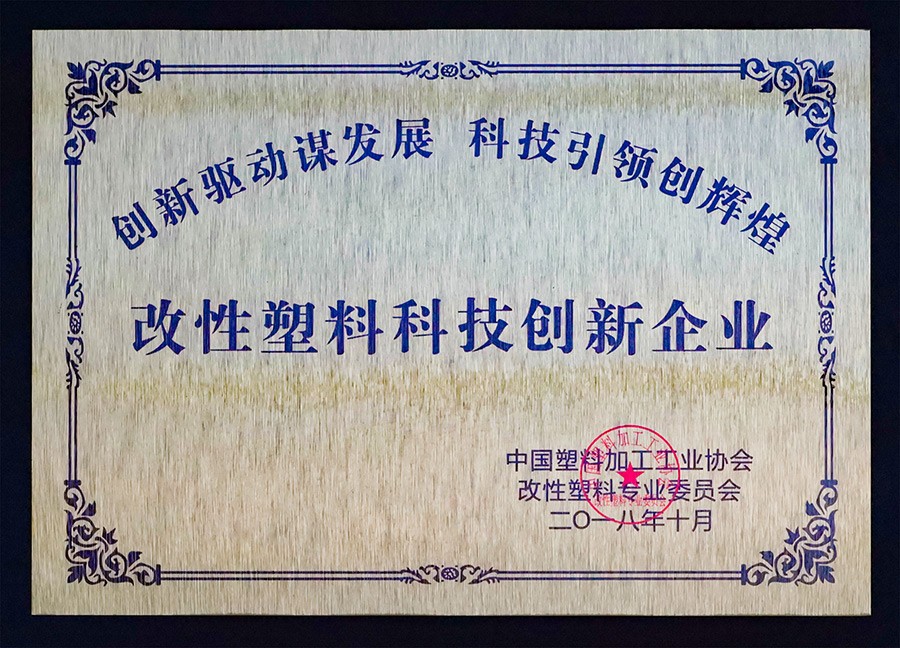
A technology innovation enterprise in modified plastics
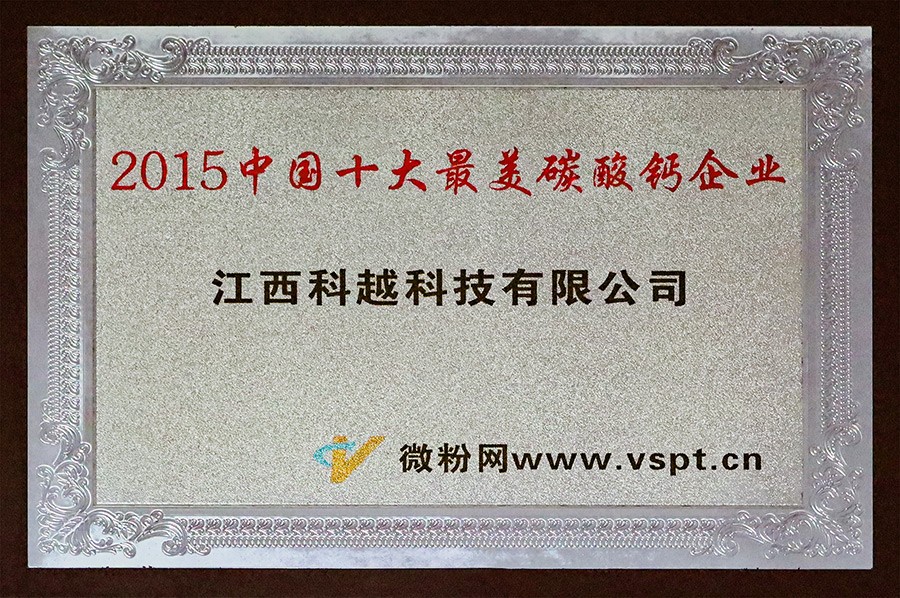
Top ten most beautiful calcium carbonate enterprises in China
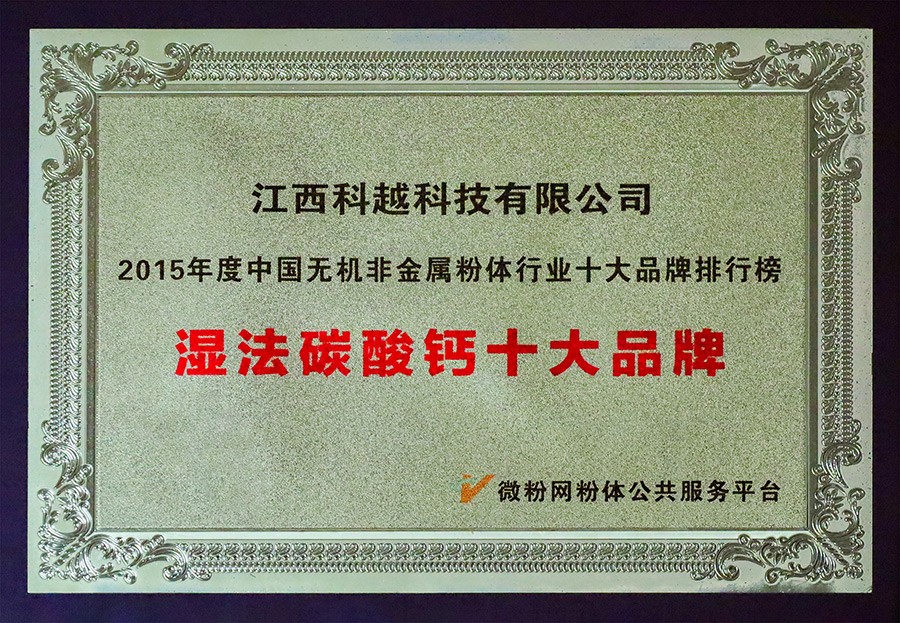
Top ten brands of wet-process calcium carbonate
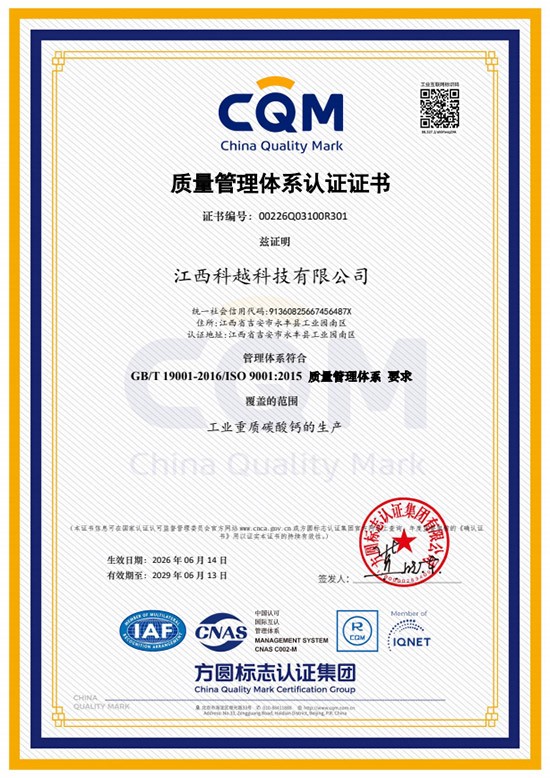
Quality Management System Certification Certificate
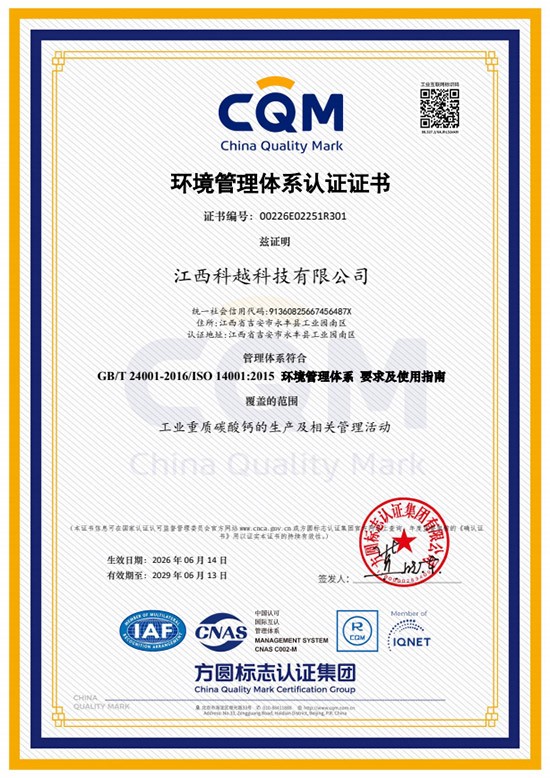
Environmental Management System Certification Certificate
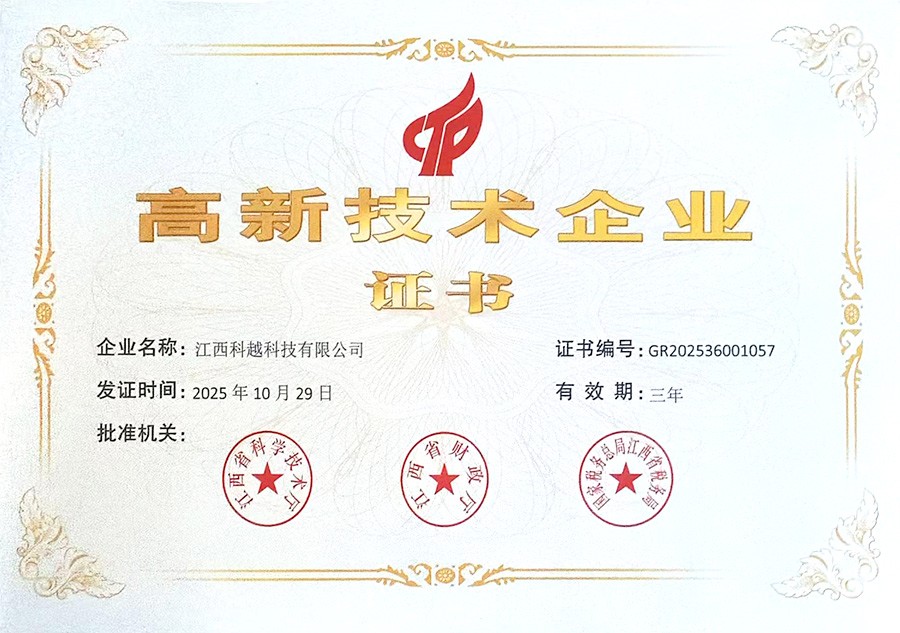
High-tech Enterprises
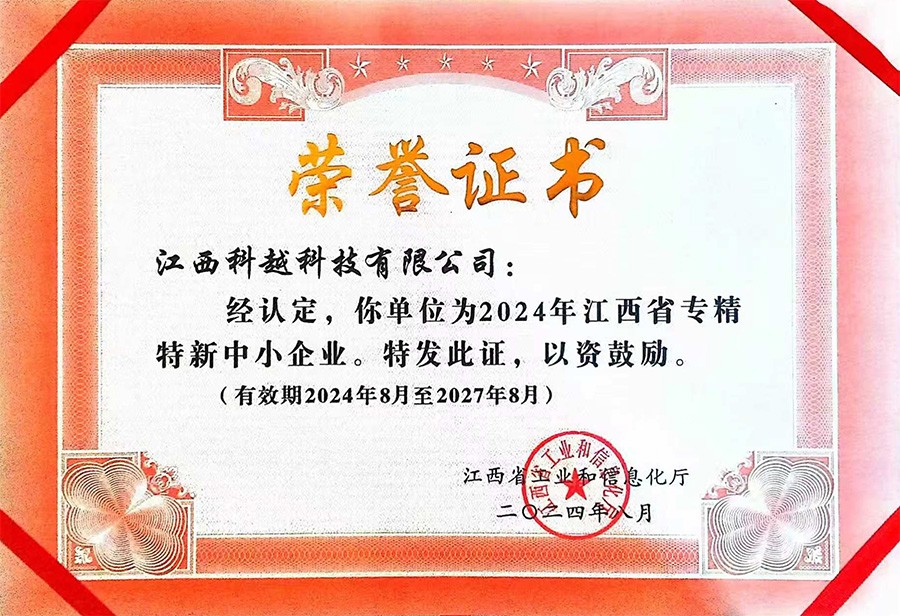
Specialized, refined, Unique and Innovative small and medium-sized Enterprises in Jiangxi Province
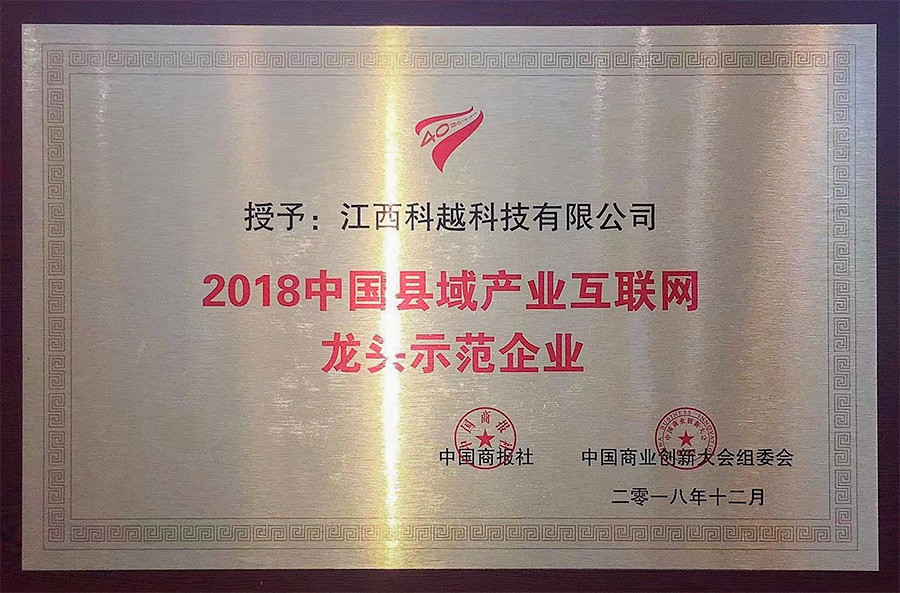
2018 Leading Demonstration Enterprise of County-level Industrial Internet in China
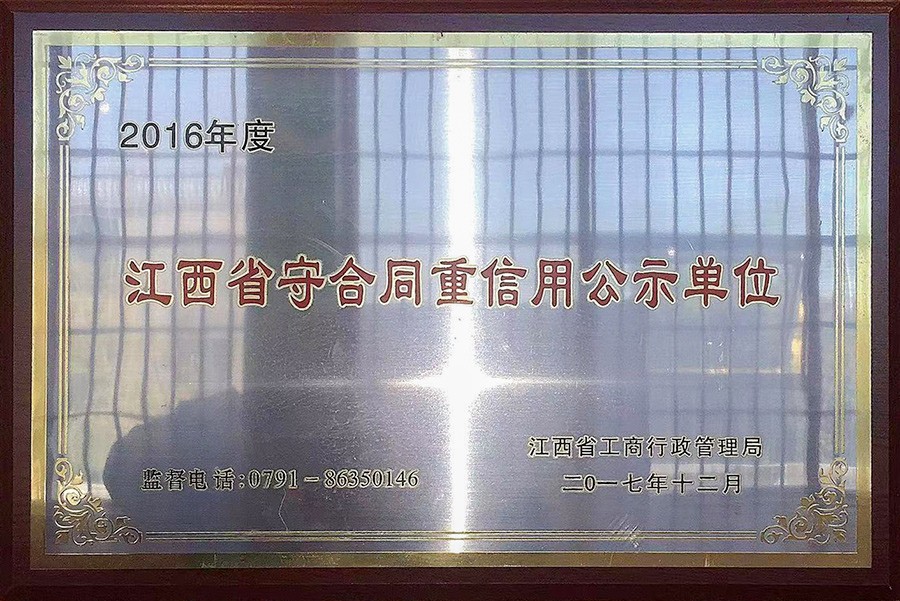
The 2016 Jiangxi Province Contract-abiding and Creditworthy Publicized Unit
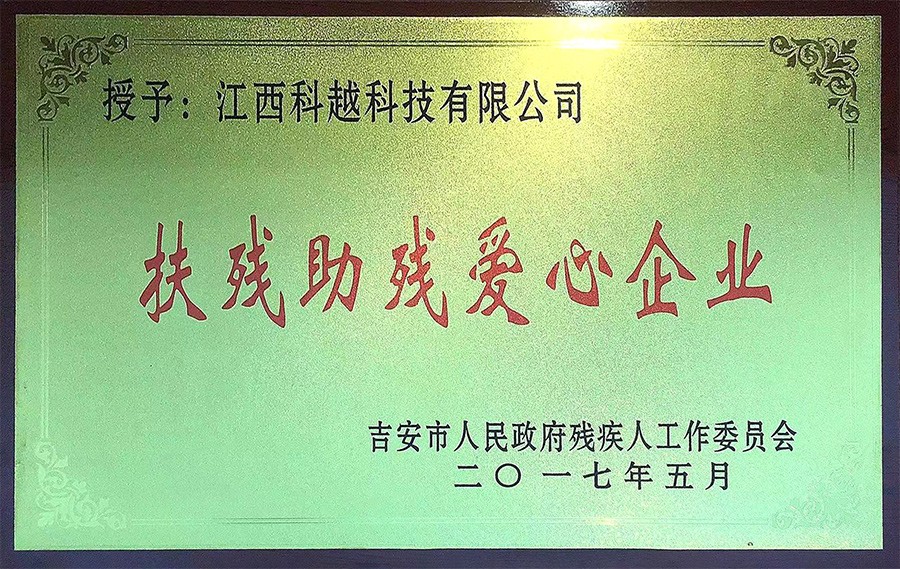
A caring enterprise that helps the disabled
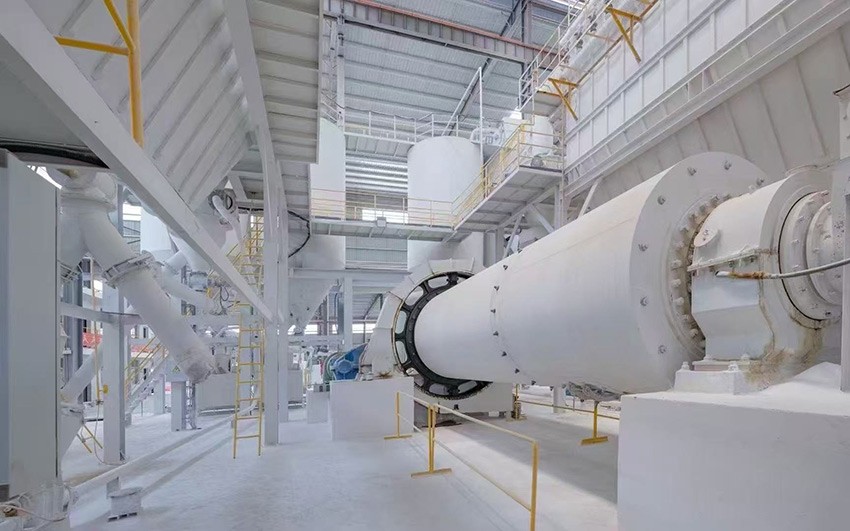
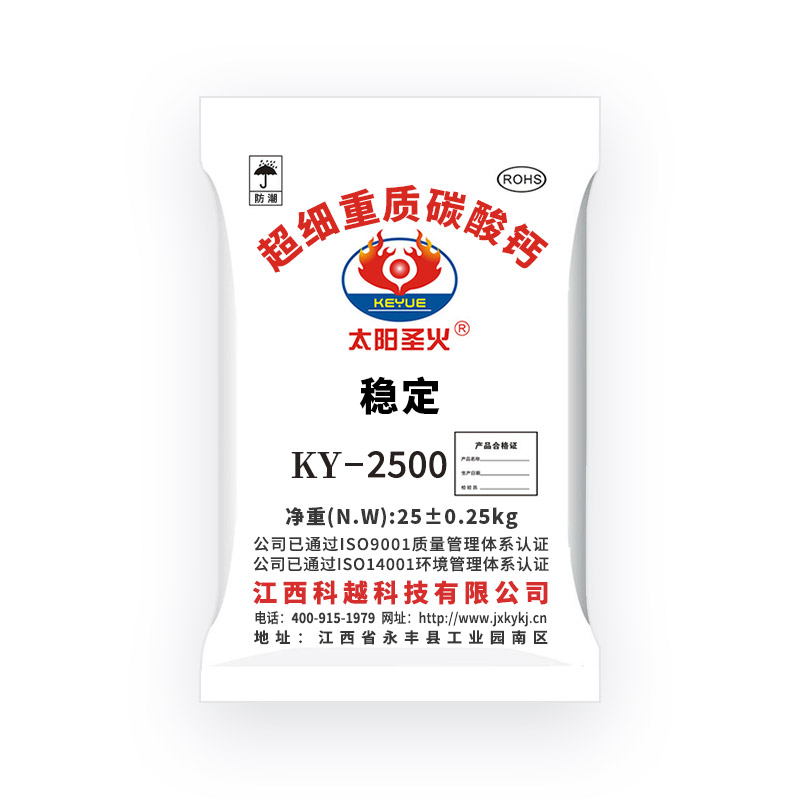
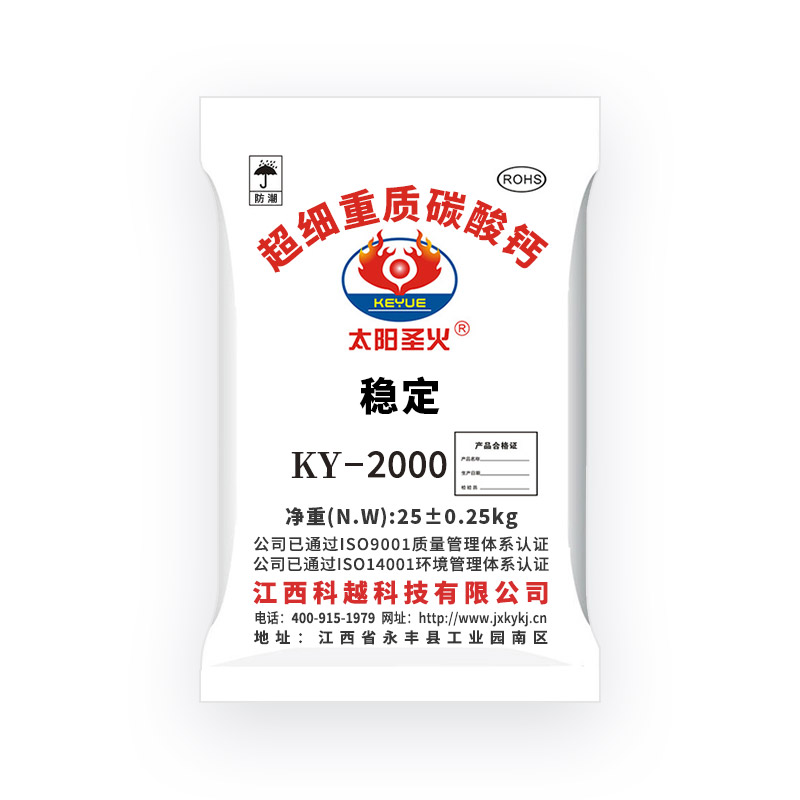
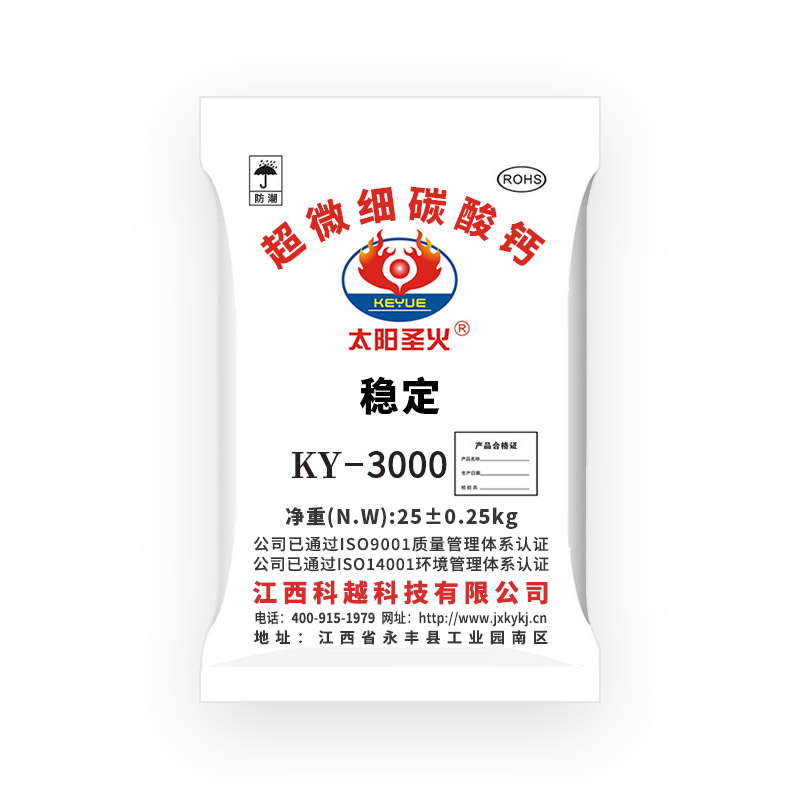
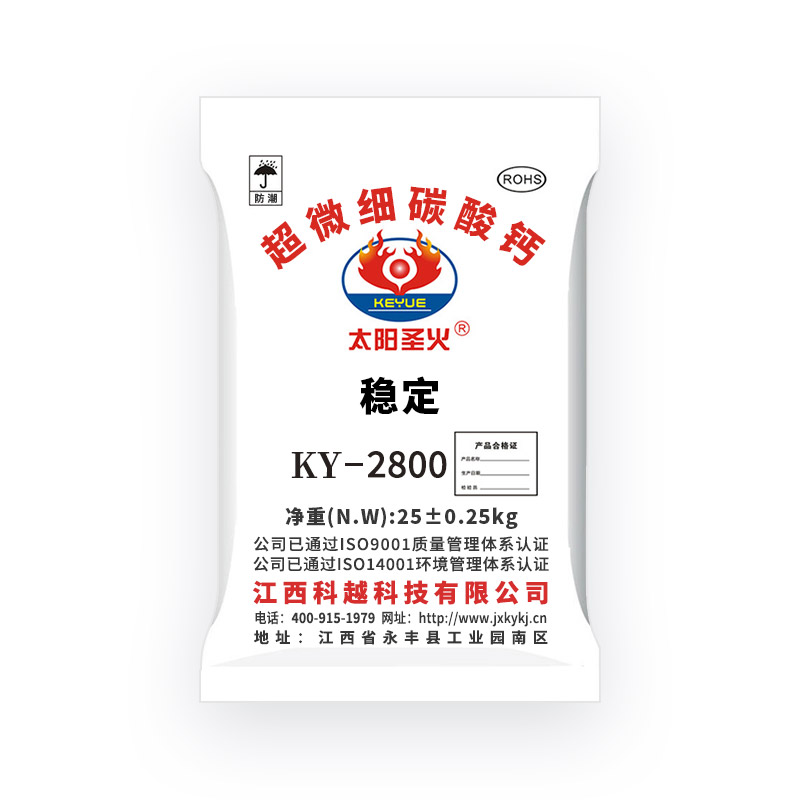
Whether it is heavy calcium carbonate (referred to as heavy calcium) or light calcium carbonate (referred to as light calcium), they are the most widely used and most extensively applied powder fillers in the plastic industry. This article introduces the differences between heavy calcium carbonate and light calcium carbonate from various perspectives such as production methods, bulk density, oil absorption value, whiteness, moisture content, and particle properties.


Mobile Web

Official WeChat